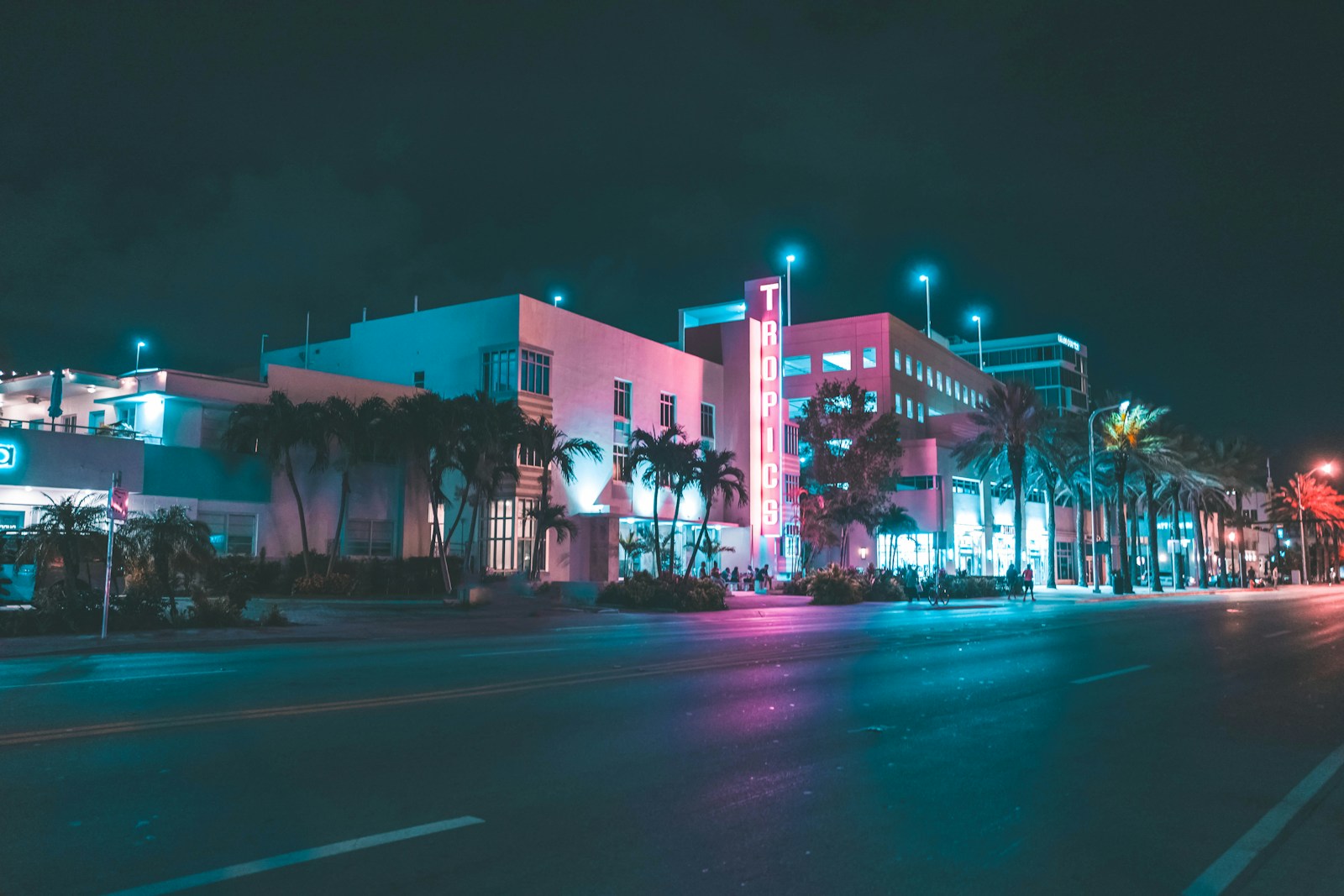
If you have been watching South Florida real estate and wondering whether the market has finally stabilized, the data from the first half of 2026 offers a clear answer: it has shifted, but not collapsed. Sales are climbing, prices are holding, and buyers now have more breathing room than at any point since 2020. Here is a grounded look at what is actually happening across Miami-Dade and Broward County — and what it means for anyone thinking about buying, selling, or investing right now.
Miami-Dade existing home sales rose 5.6% year-over-year in April 2026, reaching 2,065 total transactions. That figure marks the eighth consecutive month of year-over-year gains in the county — a run of momentum that dispels any notion of a market in freefall. Single-family home sales led the surge, climbing 8.6% compared to April 2025, from 950 to 1,032 closings. Condo sales also held positive territory, rising 2.8% to 1,033 transactions (source: MIAMI REALTORS).
Broward County told a similar story. Total home sales increased 4.7% year-over-year in April 2026, generating $1.4 billion in dollar volume — a 9.06% increase over April 2025. Single-family transactions alone drove more than $1 billion of that figure. These are not soft numbers. Demand in South Florida continues to outpace what many national analysts expected at this point in the cycle.
The days of 20% annual price jumps are behind us, and that is a healthy development. Broward County's median home price came in at $408,800 in early 2026, representing a 1.4% year-over-year increase. That marks the 33rd consecutive month of annual price gains in the county — more than two and a half years of uninterrupted appreciation (source: MIAMI REALTORS).
In Miami-Dade, single-family median prices moderated slightly — down about 1.5% to $670,000 — while condo medians edged up 1.1% to $450,000. The takeaway: the market is not appreciating aggressively, but it is not correcting either. Sellers in desirable ZIP codes still hold pricing power. Buyers are no longer facing bidding wars on every listing, which opens the door to more rational negotiations.
Active listings across Florida climbed to 118,603 in Q1 2026, well above levels seen in 2023 and 2024, according to Heart Mortgage Blog citing Florida Realtors data. In Broward, a 4.6-month supply of single-family homes is keeping the market from tipping decisively into buyer territory, but the trajectory is clearly toward more balance.
Homes in Broward are now sitting for a median of 43 days before going under contract, up from 31 days in Q1 2025. That 12-day difference matters enormously for buyers. It means time for inspections, time to negotiate, time to walk away from a deal that does not feel right. Sellers who priced aggressively in late 2025 have been adjusting their expectations, and many listings now include concessions — credits, rate buydowns, or repairs — that would have been unthinkable eighteen months ago.
If you have been sitting on the sidelines waiting for prices to crash, the data suggests that wait will likely not be rewarded. Prices are stable, not in freefall. What you can reasonably expect in mid-2026 is more selection, more time to evaluate your options, and sellers who are genuinely open to negotiation. Mortgage rates in the 6.0%–6.4% range remain a headwind on monthly payment math, but lenders are competing aggressively and rate buydowns have become a standard part of deals. This is a rare window where buyers have real leverage without prices having moved meaningfully against them.
Realistic pricing is no longer optional — it is the strategy. Overpriced listings in Broward and Miami-Dade are sitting while properly priced homes are still moving in reasonable timeframes. The buyers active in this market are qualified and serious; they are just no longer panicking. Staging, curb appeal, and accurate comparable pricing are doing more work in 2026 than they have in years. If you are considering selling, the window remains solid — but the margin for pricing error has narrowed.
Population inflows into South Florida from higher-cost metros have not reversed. Remote work flexibility, lifestyle factors, and the absence of a state income tax continue to draw households from the Northeast and Midwest. That underlying demand is what keeps the floor under prices even as the pace of appreciation normalizes. International buyers — particularly from Latin America — remain active in Miami-Dade's condo market, providing a buyer pool that insulates the market from purely domestic economic pressure.
The two variables with the most influence on where this market goes by year-end are mortgage rates and new supply. If rates settle below 6%, expect a meaningful uptick in buyer activity, especially from move-up buyers who have been locked into their current mortgages. On the supply side, new construction completions in Broward and western Miami-Dade will test whether demand can absorb additional inventory without pushing prices down. My read: the fundamentals remain solid enough to prevent a significant correction, but sellers should not count on double-digit appreciation returning anytime soon.
If you want to understand exactly how these trends apply to a specific neighborhood, property type, or price point, call or text me directly. General market data only tells part of the story. The ZIP-level picture is where decisions get made.
Whether you are buying, selling, or simply running the numbers, local expertise makes the difference. Call or text Michael at 954-715-5668 for a no-pressure conversation about what this market means for your situation.
Call / Text 954-715-5668